
Village of Mamaroneck Directory Collections
Old directories for Village of Mamaroneck form a regional trail, not one continuous municipal series. Catalog and genealogy guides supply the strongest leads. A listed edition is only a lead. A phone call or catalog check confirms where a specific volume can actually be consulted. For Village of Mamaroneck research, that difference matters. Turner volumes followed the railroad corridor through Larchmont, Mamaroneck, Harrison, Rye, Port Chester, and Greenwich. Richmond and later regional publications extend the trail.
| Collection | Years | Where Held | Access |
|---|---|---|---|
| Curtin’s Westchester County Directory | 1871–72, 1873–74 | Ancestry U.S. City Directories collection | Library subscription or paid remote access |
| Turner railroad-line directories | 1885–86 through 1910–11 in located runs | Connecticut State Library, Google Books, and regional collections | Some scans; collection access varies |
| Richmond’s Directory | 1912–19; 1920, 1922, 1924–28 | Regional local-history holdings | Verify the volume and access point first |
| Mamaroneck, Larchmont, Harrison and Rye editions | 1927/28 and 1930/31 | NYS Library and genealogy-catalog references | Access not fully established |
| Mahiscan school yearbooks | 1921–2012, with named gaps | Mamaroneck Historical Society and library leads | Ask about local access and completeness |
Polk’s New Rochelle runs offer another regional Mamaroneck lead. They cover the 1925–41 and 1926–47 series. Verify that a given volume actually includes Mamaroneck pages. The known coverage is real. It does not prove a complete run at any single Village of Mamaroneck location. Note: Catalog listings point to likely editions, while a library or archive must confirm the copy, its condition, and access.
Village of Mamaroneck Directory Timeline
The Mamaroneck sequence here helps set expectations when a person drops out of one type of volume. It lists located editions and related community material. It promises no complete run of surviving years. Use the closest year on either side. Then test the address in Mamaroneck newspapers, maps, tax material, or census schedules.
- 1871–74: Curtin’s county directories provide early named Westchester coverage.
- 1885–1911: located Turner runs cover the railroad-line communities in several separate editions.
- 1896: a 330-page Turner volume is available as a free Google Books ebook.
- 1912–28: Richmond editions offer a substantial interwar bridge, with some years absent from the located list.
- 1927/28 and 1930/31: regional Mamaroneck-area directories appear in state and genealogy references.
- 1921–2012: Mahiscan yearbooks add school and community evidence, except for the specifically named missing years.
Village of Mamaroneck incorporated in 1895, yet the directory tradition follows the rail corridor and older town geography. Place labels sometimes stretch beyond the village boundary. Keep that in mind. Preserve the exact place name shown in the volume when searching adjacent resources.
Village of Mamaroneck Library Directory Leads
Mamaroneck Public Library’s history page places the library at 136 Prospect Avenue and posts public hours and phone contact. Its public pages show no current city-directory shelf inventory. Call ahead before visiting. Reach the reference desk at 914-698-1250 and ask specifically about Turner, Richmond, and Polk volumes, telephone or reverse directories, newspaper microfilm, obituary files, yearbooks, maps, and licensed genealogy databases. Write down the staff answer and the date.
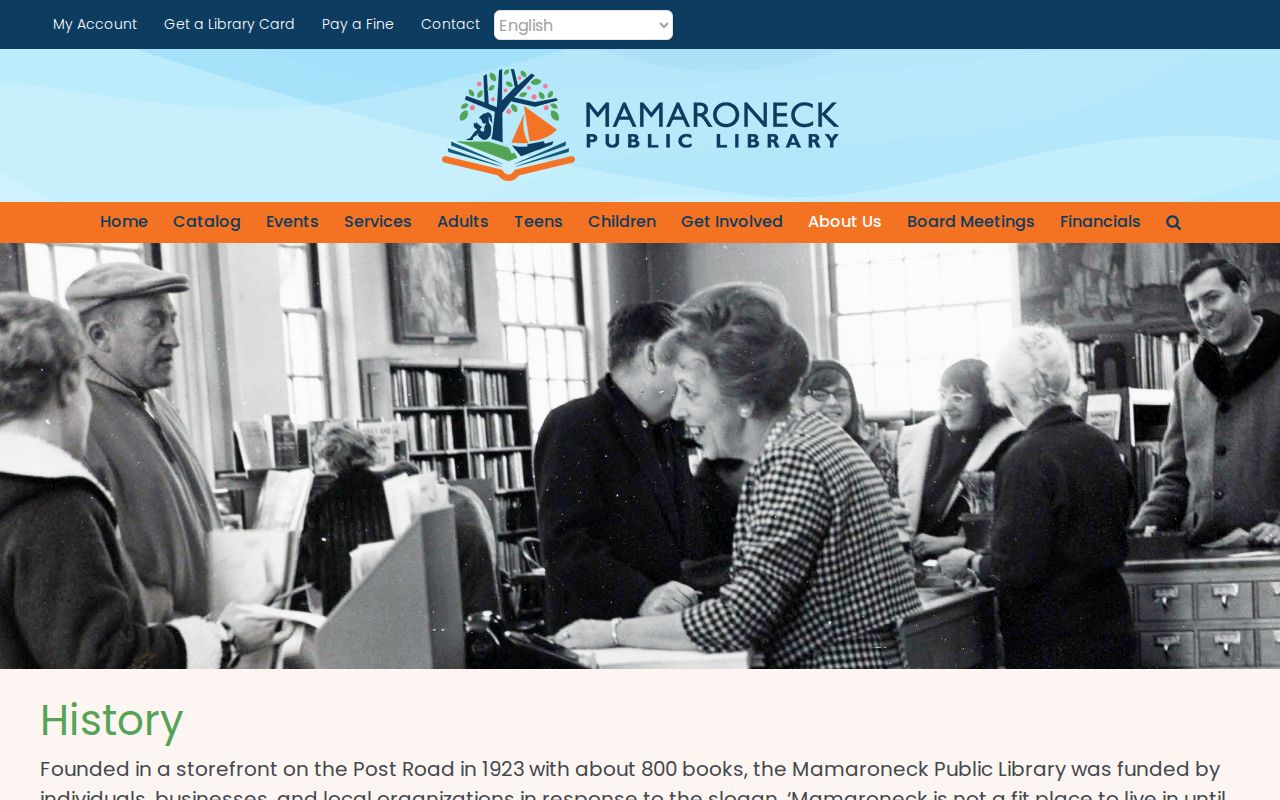
The Mamaroneck library began in a Post Road storefront in 1923 and moved into a permanent building in 1927. That Village of Mamaroneck history makes it a sensible first stop for a local question. It proves nothing about any single volume. The New York State Library newspaper catalog helps here. It shows which Mamaroneck microfilm is held locally.
Village of Mamaroneck Archive Clues
The Mamaroneck Historical Society preserves material for the Town of Mamaroneck, Village of Mamaroneck, and Village of Larchmont. Its holdings include old-family genealogies, public-record preservation, maps, publications, photographs, cemetery material, and a notable-residents project. The Village Historian also keeps an archival records center. Use it when directory work needs government context.
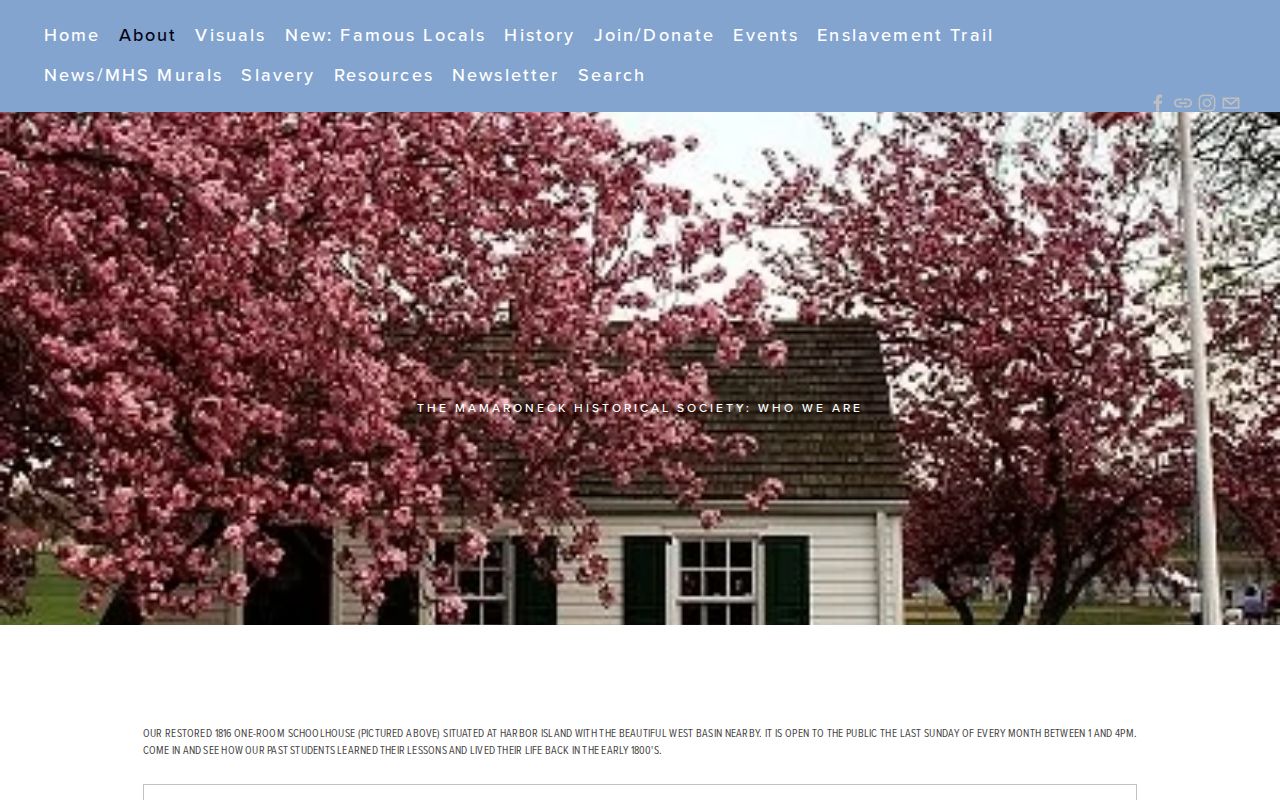
The Society’s 1816 schoolhouse at Harbor Island is a public-history access point, not a directory repository. Contact the Society or its archivist first. Never assume viewing on a particular day. The Village Historian can be reached through the Village Historian records-center page.
Reading Mamaroneck Directory Entries
Treat each Mamaroneck entry as a compiler’s snapshot. A named volume may list the surname first, then a first name or initials, a street address, and an occupation. Some editions go further. They add a spouse or relation in parentheses, a widow or widower notation, a boarding note, or a marker defined only in that book. No format is universal across Mamaroneck volumes. Transcribe faithfully and consult each edition’s own key.
| Personal name | Usually surname first, with a first name or initials. |
|---|---|
| Street clue | Address, room, apartment, rear, or residence notation where the edition supplies it. |
| Activity or business | Occupation, business, and sometimes an associated firm when printed. |
| Household clue | Spouse, other relation, widow or widower notation, or boarding notation in some editions. |
| Reference marks | Abbreviations and symbols whose meaning belongs to that specific volume. |
- Criss-cross directory
- An address-first section that lists a street and number before the named occupant or business.
- Householder index
- An alphabetical list designed to identify the principal name associated with an address.
- Abbreviation key
- The volume’s guide to its shortened terms and symbols. Photograph or transcribe it before expanding a mark.
A Mamaroneck directory can omit children, people listed under a spouse’s name, those away during canvassing, and anyone missing from a telephone list. It cannot settle every identity question alone.
Mamaroneck Address-First Directory Pages
Mamaroneck street or criss-cross pages flip the usual task. Begin with the address exactly as printed in the era. Record every person, business, and notation listed there. This helps when the surname is unknown. Still, pair it with an alphabetical listing or another source. A later street number can hide an earlier address. Never silently modernize the street name or number in your notes.
Address-first material is a historical household clue, not proof of ownership. Keep owner records separate from printed names. For a current parcel key, deed reference, or town-side assessment route, use the Village of Mamaroneck by-street directory. Note: A street-order entry shows a printed association with an address. It does not show every person present there.
Mamaroneck Directories Meet Census Years
Census records pair well with a Mamaroneck directory year. Pick the nearest federal schedule and read the two together. Geography complicates the match, though. Historical schedules can report village territory through Mamaroneck and Rye town records. A family may therefore sit under an unexpected town heading. Federal microdata also stops decades short of the present because of the 72-year release rule. To confirm an identity, match an address, spouse, initial, neighborhood, or age pattern rather than a surname alone. Surnames repeat across generations, and spellings shift.
- Find the closest alphabetical listing for the name and approximate year.
- Copy the spelling, initials, street, relation notation, and any business clue exactly.
- Check nearby editions for a move, a changed initial, or a new household notation.
- Compare the nearest released census schedule, using the proper Mamaroneck or Rye geography.
- Confirm ownership separately through tax or deed records when that distinction matters.
A missing listing is rarely proof of anything. Before assuming death or departure, consider a move, a spelling change, or a gap between editions that simply swallowed the entry.
Mamaroneck Newspapers Check Directories
The New York State Library’s newspaper catalog is the place to begin. It lists Mamaroneck Public Library microfilm of the Mamaroneck Paragraph for 1890–96 and 1898–99. Selected Mamaroneck Register issues from 1895 appear as well. The catalog adds further Paragraph dates from 1911–12 and 1917–24. It also lists a 1925 issue. The Westchester County Historical Society holds still more. Notices like these often explain a marriage, a death, or a business opening. They can also note an address change that a terse directory line only hints at.
Start any Mamaroneck newspaper search with the exact directory spelling. Then loosen it. Try initials, a spouse’s name, the street name, and a shortened surname. Editors sometimes used neighborhood labels such as Rye Neck or Orienta. These labels replaced the village name. Keep the publication date with every match. Treat each clipping as supporting evidence rather than proof.
Mamaroneck Maps and Community Memory
Historical Society map resources go back to 1774. The 1868 Beers atlas covers Mamaroneck Town, Orienta, and Rye Neck. It links landowners, buildings, lot details, and a business directory in one place. A free 1896 Sanborn item at the Library of Congress adds six sheets. Those sheets can date a building footprint or reveal its surroundings. Remember the limit, though: a map image names streets and structures, not every occupant.
The Mahiscan yearbooks run from 1921 to 2012. Gaps fall in 1931, 1934, 1935, 1937, 1960, 1980, 1985, 1990, 1991, 1993, 1994, 1997, 1998, and 2002. In 2026 the Historical Society also placed four scrapbooks at the library. They cover the 1976–80 Mamaroneck-Larchmont Men’s Softball League. Viewing is by appointment only. Community sources like these add color and dates. They still cannot replace a directory or a deed.
Trace a Mamaroneck Directory Household
A city directory works best as a continuity test. Trace a name through adjacent years first. Record every street and household clue you meet. Then weigh the trail against census, newspaper, probate, cemetery, or yearbook evidence before drawing conclusions. If a person crosses the Mamaroneck River, note the town side too. Later assessment and tax records split between the Towns of Mamaroneck and Rye.
For the 1896 digitized volume, start with Google Books’ Turner’s Annual Directory. It is a 330-page regional resident and business book. Its wide reach helps when a family moved among Sound Shore communities. The same reach cuts the other way. Read each entry with its printed locality attached. Never assign a listing to Village of Mamaroneck on the name alone.
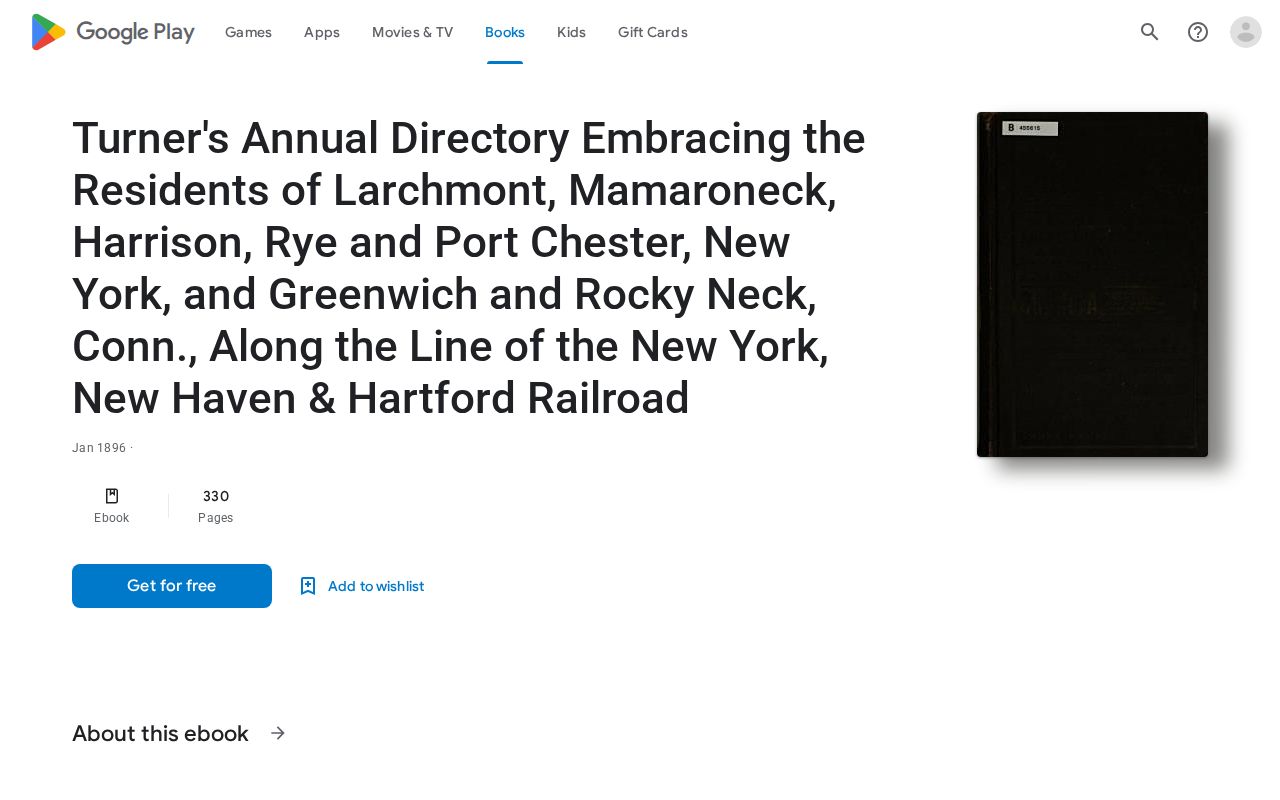
The digitized volume makes a fine first pass for a name or street check. But a single match is only a start. Carry the result into a later regional edition or a released census. A local newspaper can help too. Only then call it a household history.
Note: A careful trail records both confirmed matches and unexplained gaps. Each one points the next archive request.